
On Becoming Someone
The Relief of Belonging and the Pain of Thinking for Yourself

(Texto em português embaixo)
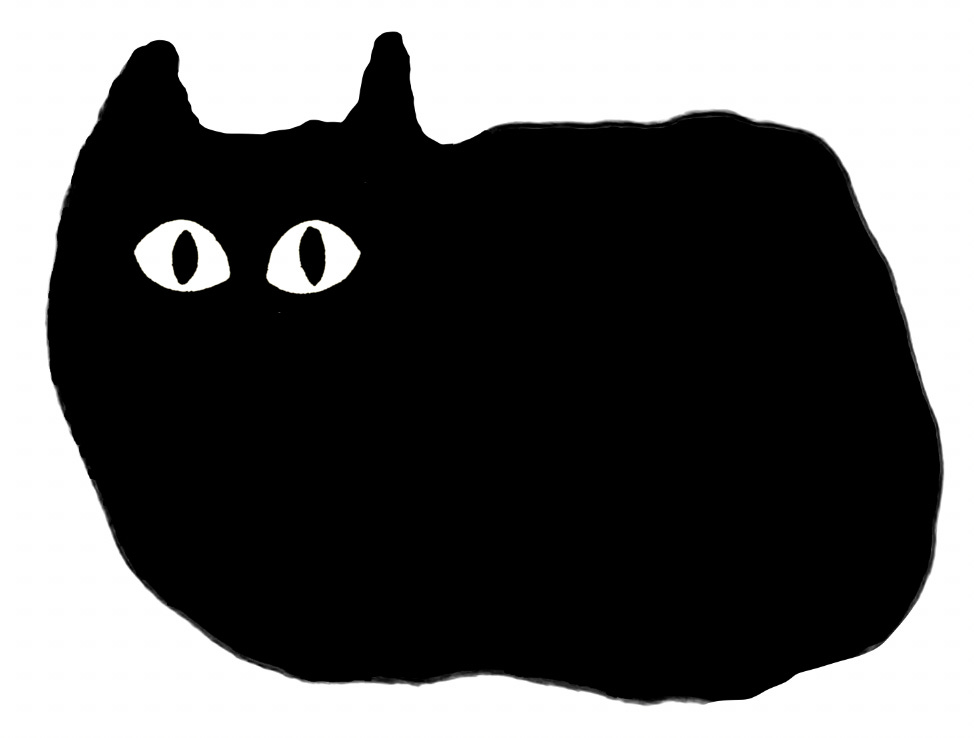
The comedian George Carlin used to say he liked human beings, but lost patience with them once they started coagulating into groups, teams, and parties: same clothes, same slogans, same opinions.
The uniform is the visible part. The worse part is when a person starts outsourcing their identity to their tribes, professions, diagnoses, and political camps.
A lot of people never develop a strong enough sense of who they are, so they outsource their identity to their tribes, professions, diagnoses, and parties.
Their souls still live somewhere between that of a bee and that of a cat who decides to jump off its owner’s lap. They behave like a hive, but they still don’t have the initiative of a house cat.
The vocabulary, the clothes, the fears, the subjects they care about, even the kinds of things they consume - a lot of it seems to come from outside. And what they call personality is often just a pile of things copied from their tribes: I’m a mom, I’m an entrepreneur, I’m into sports, I’m neurodivergent, I’m on the left.
You can recognize it by the opinions that come in prepackaged combos, like fast food. If you know what someone thinks about abortion, for example, you can usually guess what they think about gun rights, immigration, climate, or Ukraine - even though those subjects don’t have any inevitable logical connection to one another.
When a person thinks through each subject separately, combinations start to appear that don’t fit neatly into any party or tribe package. But when you look around, you almost never find that.
These people feel like they’re having an inner life, but they’re mostly just retransmitting signals they picked up from TV, social media, and friends.
I only started noticing this in myself when, one day, I left my job, the city I was living in, and the usual circles, and spent a few years more alone, camping and traveling in a motorhome.
When you spend time away from the usual circles, living in parks and forests, with scarce access to the internet, you begin to notice that many rituals that seemed personal - shaving, dressing a certain way, speaking a certain way, worrying about the right things - were just small ways of begging for belonging from the tribe.
Distance makes some of those things stop making sense. And once they stop, we begin to see how many other parts of our life existed only so we could be accepted by other people.
Erich Fromm said that so many people flee from freedom and become this kind of robot, trading the weight of being someone for the relief of being the same, of being on the right team. But it is possible to change this.
For me, it started with basic things:
Tasting things again before deciding whether I liked them.
Noticing whether what I called discomfort was hunger, sleepiness, boredom, or something else.
Practicing not having an opinion about something I hadn’t thought about enough, and staying quiet in conversations where my tribe would have expected me to show outrage.
Reading people I disagreed with without immediately looking for a ready-made response.
Asking whether the thing I had been so outraged about was actually affecting my daily life, or whether it was just something being talked about in the media.
Disobeying one small expectation.
And, like the cat, getting off the lap before I forgot how to walk.
A Arte de Virar Gente
O conforto de estar no time certo e o trabalho de pensar por conta própria
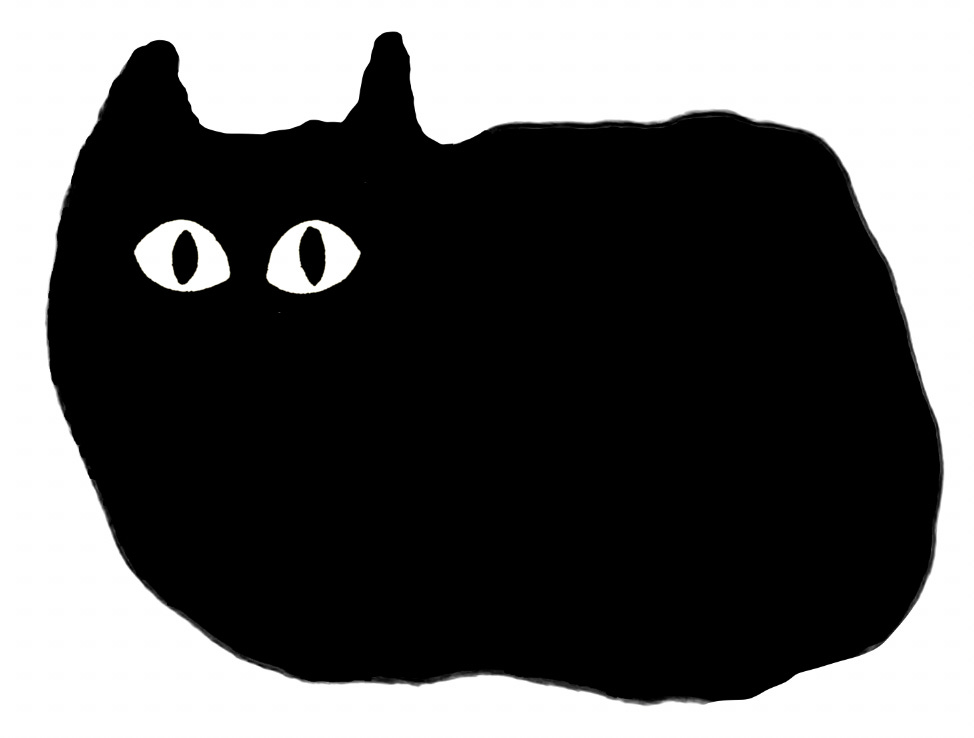
O comediante George Carlin dizia que gostava de seres humanos, mas perdia a paciência quando eles começavam a coagular em grupos, times, partidos: mesmas roupas, mesmos slogans, mesmas opiniões.
A parte visível é o uniforme. A parte pior é quando a pessoa começa a terceirizar a própria identidade para suas tribos, profissões, diagnósticos e partidos.
Muita gente nunca desenvolveu um senso de quem é forte o bastante, então terceiriza a própria identidade para suas tribos, profissões, diagnósticos e partidos.
Suas almas ainda vivem em algum ponto entre a de uma abelha e a de um gato que decide e desce do colo do dono. Elas se comportam como colmeia, mas ainda não têm a iniciativa de um gato doméstico.
O vocabulário, as roupas, os medos, os assuntos, até o tipo de coisa que consomem - muita coisa parece vir de fora. E o que chamam de personalidade é só um amontoado de coisas copiadas das suas tribos: sou mãe, sou empresário, pratico esportes, sou neurodivergente, sou de esquerda.
Dá para reconhecer isso pelas opiniões que vêm em combos fechados, como fast-food. Se você sabe o que alguém pensa sobre aborto, por exemplo, já consegue adivinhar o que pensa sobre porte de armas, imigração, clima ou Ucrânia - mesmo que esses assuntos não tenham uma ligação lógica inevitável entre si.
Quando uma pessoa pensa cada assunto separadamente, aparecem combinações que não cabem em nenhum pacote. Mas quando você olha em volta, quase não acha isso.
Essas pessoas sentem que estão tendo uma vida interior, mas estão apenas retransmitindo sinais que recebem da TV, da mídia social, dos amigos.
Eu só consegui reparar nisso em mim quando um dia saí do trabalho, da cidade em que eu morava, dos círculos de sempre e passei alguns anos mais só, acampando e viajando num motorhome.
Quando a gente passa um tempo longe dos círculos de sempre, morando em parques nacionais e florestas, com acesso escasso à internet, começa a notar que muitos rituais que pareciam pessoais - fazer a barba, ou se maquiar, escolher certas roupas, falar de certo jeito, se preocupar com certas coisas - eram apenas pequenas formas de implorar pertencimento à tribo.
A distância faz essas coisas pararem de fazer sentido. E quando elas param, a gente começa a enxergar quantas outras partes da nossa vida também existiam só para ser aceito pelos outros.
Erich Fromm dizia que tanta gente foge da liberdade e viram esses robôs para trocar o peso de ser alguém pelo alívio de ser igual, de estar no time certo. Mas é possível mudar isso.
Eu comecei com coisas básicas:
Voltando a sentir o gosto das coisas antes de decidir se gostava.
Percebendo se o que eu chamava de incômodo era fome, sono, tédio ou outra coisa.
Treinando não ter opinião sobre um assunto em que eu não pensei o suficiente e ficar em silêncio numa conversa em que a tribo esperaria que você demonstre indignação.
Lendo alguém de quem eu discordava sem procurar imediatamente uma resposta pronta.
Perguntando se esse tema pelo qual eu estava me indignado tanto ultimamente era uma coisa que vinha afetando diretamente o meu dia a dia ou é esse um tema que vem sendo falado na mídia.
Desobedecendo a expectativa de alguém.
E, como o gato, começando a descer do colo e descobrindo se ainda sabia andar.
Belo texto, Bejinha! Obrigado por compartilhar os aprendizados e nos inspirar. Abs 👏🏼👏🏼👏🏼
I love this. It's been exactly my path, quit the job, sold the house, lived in a van for a few years. Changed my ideas about all kinds of things. I get you. I even have more initiative than the typical housecat; more like an outdoor cat. ❤️❤️